
Tight QL (quadratus lumborum) and poor trunk control often contribute to lower back discomfort and uneven movement. This routine combines QL release, gentle pelvic mobility, and active core bracing.
You will do a twist and lean QL stretch, side-lying pelvic rotation with support, and lateral abdominal bracing. The session takes about 5 minutes and builds real awareness in the side body and core.
When to try this
- You feel tightness or discomfort in the side waist or lower back
- Your trunk feels unstable or one-sided during movement
- You want better core bracing and side body awareness
If you have existing back issues, consult a professional.
Why this sequence works
- Twist and Lean QL Stretch targets the deep side waist muscles (QL) with rotation and side bending.
- Side-lying pelvic rotation with towel support improves gentle pelvic mobility and control.
- Lateral Abdominal Bracing builds true 360-degree core stiffness and awareness.
Routine breakdown
| Order | Move | Focus | Equipment |
|---|---|---|---|
| 1 | Twist and Lean QL Stretch | QL release + side body opening | None |
| 2 | Side-lying pelvic rotation with towel support | Pelvic mobility and control | Towel + foam roller |
| 3 | Lateral Abdominal Bracing | Core bracing awareness | None |
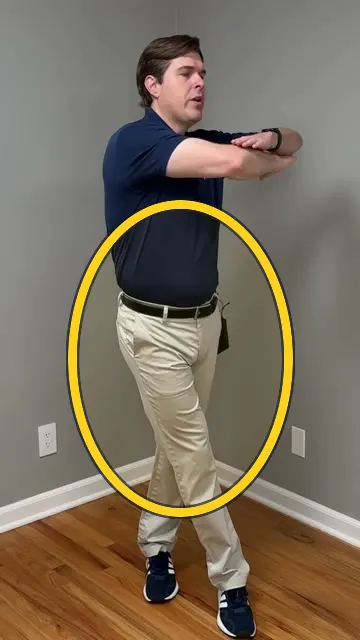
1. Twist and Lean QL Stretch
Cross your legs as before and fold your arms in front of your chest in a genie position. Rotate your torso toward the low-hip side, then lean your body away to target the deep lower back muscles. Breathe and hold the stretch. Perform the prescribed reps or hold time per side.
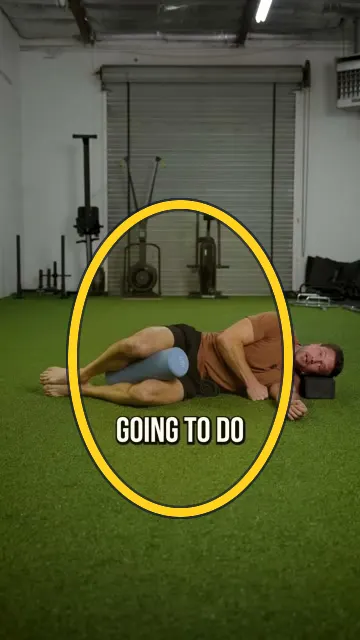
2. Side-lying pelvic rotation with towel support
Lie on your side with a rolled towel under your pelvic crest and a foam roller between your knees. Slowly slide your top knee forward and then backward, rotating your pelvis gently over the towel roll. Keep movements small and controlled.
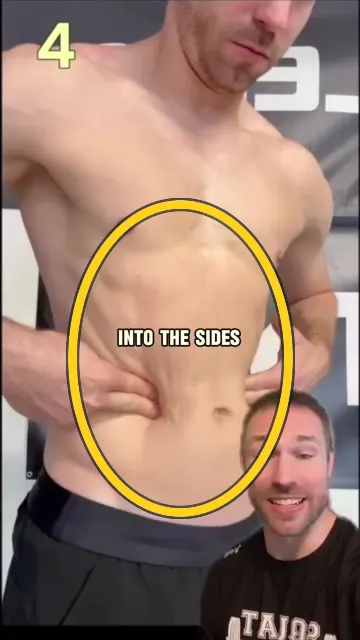
3. Lateral Abdominal Bracing
Find a neutral spine alignment by pulling your ribs down and place your fingers into the soft sides of your torso. Use your abdominal muscles to push your fingers out laterally, creating stiffness throughout your torso. Breathe while maintaining the brace. Perform the prescribed holds.
Why save this routine
- Directly addresses common QL tightness and side waist discomfort
- Builds real trunk control and core bracing awareness
- Short and gentle enough for daily practice
- Excellent for people with one-sided lower back issues
Stop criteria
- Sharp pain in the lower back, hips, or sides
- Dizziness or nausea during bracing
- Stop if movements increase discomfort in the lower back
Who this routine is for
- People with tight QL or side waist discomfort
- Those wanting better trunk control and core awareness
- Anyone looking for a short daily side body and core routine
Frequently asked questions
How to improve side waist and trunk control at home
Targeted QL release, pelvic mobility, and core bracing for better trunk control and side body awareness. Key movements include Twist and Lean QL Stretch, Side-lying pelvic rotation with towel support, Lateral Abdominal Bracing. It takes about 5 minutes. Stop and check your body first if you feel pain or discomfort.
Best QL and core awareness routine
Targeted QL release, pelvic mobility, and core bracing for better trunk control and side body awareness. Key movements include Twist and Lean QL Stretch, Side-lying pelvic rotation with towel support, Lateral Abdominal Bracing. It takes about 5 minutes. Stop and check your body first if you feel pain or discomfort.