
Tight shoulders and rounded posture are extremely common from sitting and screen use. This short routine combines chest opening, scapular mobility, and rotator cuff work to help restore better shoulder positioning.
You will do supine chest expansion breathing, wall scapular retraction and rotation, and seated dumbbell external rotation. The session takes about 3 minutes and requires minimal equipment.
When to try this
- Your shoulders feel tight or rounded forward
- You want to improve upper body posture and chest openness
- You are looking for a quick daily shoulder mobility routine
If you have existing shoulder or neck issues, consult a professional.
Why this sequence works
- Supine chest expansion breathing opens the front of the chest and improves breathing mechanics.
- Wall scapular retraction and rotation mobilizes the shoulder blades and improves awareness.
- Seated Dumbbell External Rotation strengthens the rotator cuff to support better shoulder positioning.
Routine breakdown
| Order | Move | Focus | Equipment |
|---|---|---|---|
| 1 | Supine chest expansion breathing | Chest opening + breathing | None |
| 2 | Wall scapular retraction and rotation | Scapular mobility | Wall |
| 3 | Seated Dumbbell External Rotation | Rotator cuff strength | Light dumbbell |
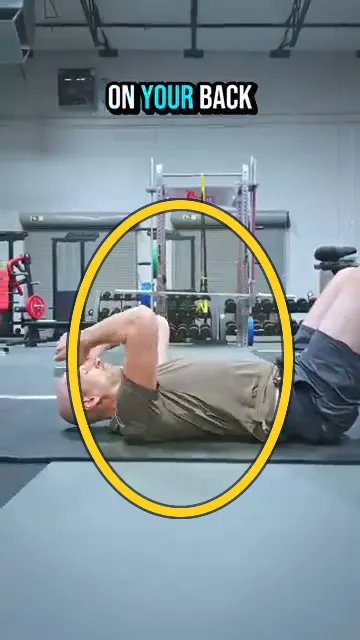
1. Supine chest expansion breathing
Lie on your back with your hands resting on your head and elbows flared out slightly. Take 2 to 5 short inhales with pauses to expand the chest, then exhale softly. Focus on feeling the ribs lift and the chest open.
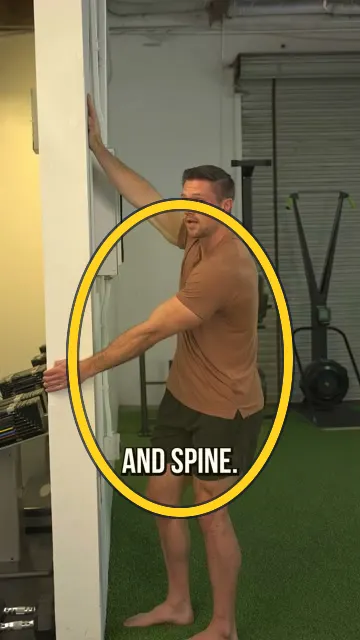
2. Wall scapular retraction and rotation
Place the target palm against the wall with the elbow bent, standing close to the wall. Press into the wall to turn your chest away from the wall, engaging the muscles behind the shoulder blade as you breathe. Perform the prescribed reps or holds per side.
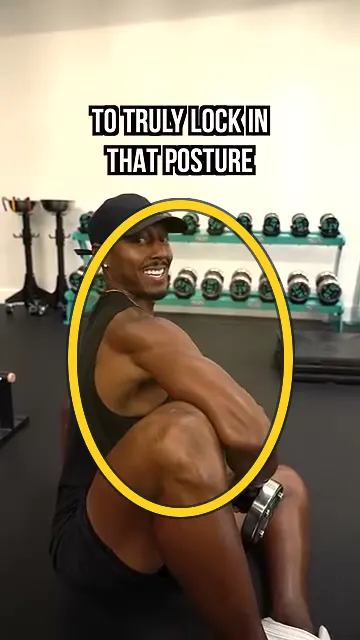
3. Seated Dumbbell External Rotation
Sit on the floor with one knee up and brace your elbow on your knee holding a dumbbell. Rotate the dumbbell upward to strengthen the rotator cuff and lock in posture. Perform the prescribed reps per side.
Why save this routine
- Directly addresses common rounded shoulder posture
- Combines mobility and strengthening in one short session
- Very little equipment required
- Excellent daily practice for desk workers
Stop criteria
- Sharp pain in the shoulders, neck, or upper back
- Dizziness or unusual discomfort during breathing work
- Stop if you feel pinching or instability in the shoulders
Who this routine is for
- People with rounded shoulders or tight chest from desk work
- Those wanting better shoulder mobility and posture awareness
- Anyone looking for a short daily shoulder opening routine
Frequently asked questions
How to open shoulders and improve posture at home
Targeted chest opening, scapular mobility, and rotator cuff work for better shoulder posture and comfort. Key movements include Supine chest expansion breathing, Wall scapular retraction and rotation, Seated Dumbbell External Rotation. It takes about 3 minutes. Stop and check your body first if you feel pain or discomfort.
Best routine for rounded shoulders and chest tightness
Targeted chest opening, scapular mobility, and rotator cuff work for better shoulder posture and comfort. Key movements include Supine chest expansion breathing, Wall scapular retraction and rotation, Seated Dumbbell External Rotation. It takes about 3 minutes. Stop and check your body first if you feel pain or discomfort.