If posterior pelvic tilt is on your mind, this routine gives you a short way to move without turning it into a heavy workout. The goal is gentle practice, clear body awareness, and movements you can repeat consistently.
You will move through Pelvic Tilt, Lunge Hip Flexor Stretch, Supine brace marches. Keep the pace calm, use the listed setup, and treat each exercise as one part of the same 3-minute sequence.
When to try this
Try it when lower back, hips, core feels stiff, overworked, or hard to organize after sitting, training, or a long day. Keep the effort easy and focus on slow control, comfortable range, and steady breathing.
This routine is general wellness content. If symptoms are intense, persistent, or linked with numbness, tingling, dizziness, or radiating pain, get personal guidance from a qualified professional.
How this sequence fits together
The order starts with an accessible first movement, then adds more active control, and finishes with the exercise that best reinforces the routine goal. Move softly at first, then make each rep more precise as your body warms up.
Routine breakdown
| Order | Move | Focus | Equipment |
|---|---|---|---|
| 1 | Pelvic Tilt | rehab corrective | None |
| 2 | Lunge Hip Flexor Stretch | rehab corrective | None |
| 3 | Supine brace marches | rehab corrective | None |
1. Pelvic Tilt
This move comes first because it gives the routine an approachable starting point before the later work. Use slow control and keep the effort light enough that you can stay relaxed.
Lie on your back with knees bent and feet flat on the floor or couch surface. Gently tilt your pelvis backward, flattening your lower back against the surface, then relax. Focus on slow control, comfortable range, and a pace you can repeat without bracing.
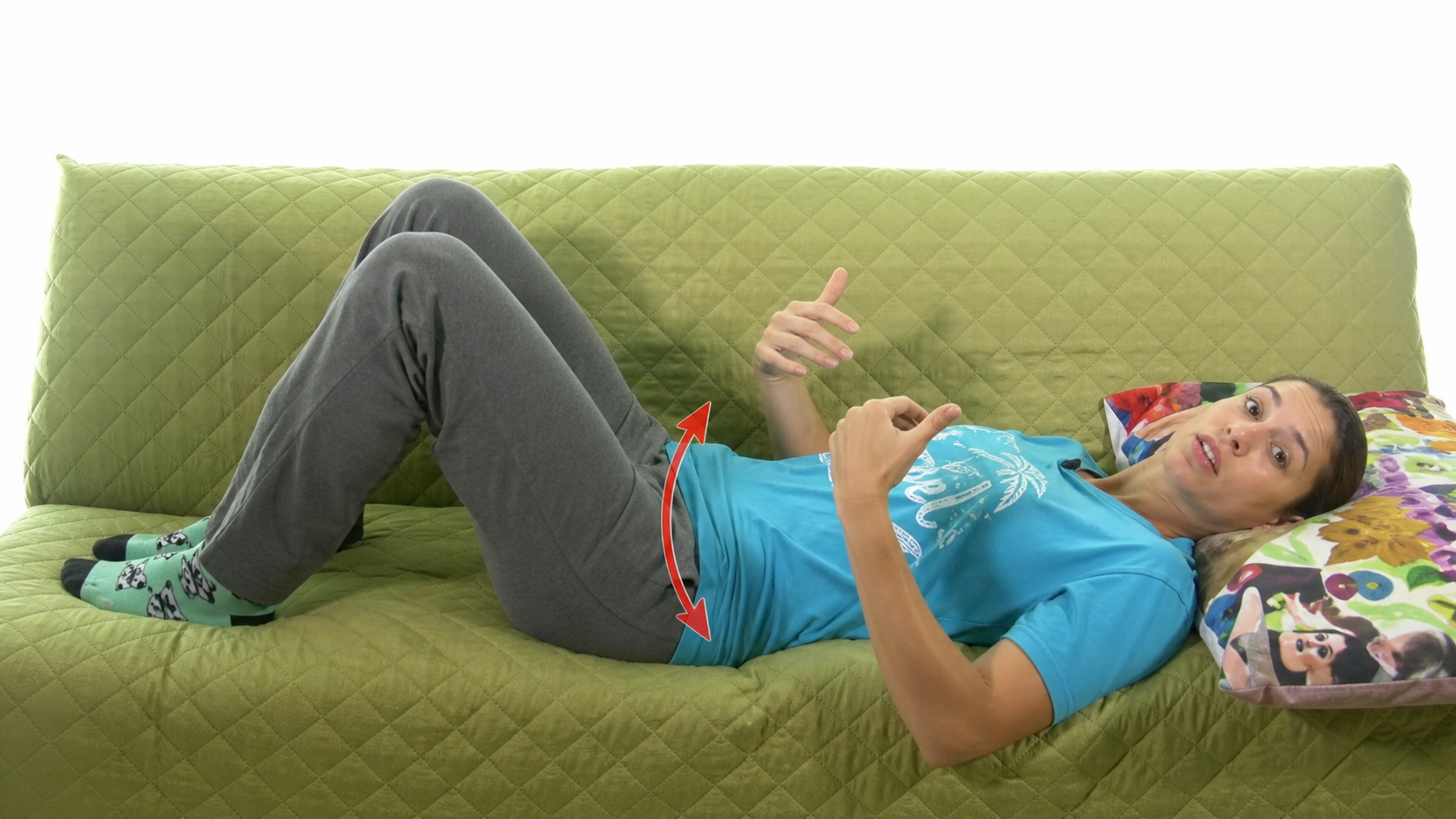
- Set up: Lie on your back with knees bent and feet flat on the floor or couch surface.
- Do: Gently tilt your pelvis backward, flattening your lower back against the surface, then relax. Aim for 5 reps.
- Watch for: Keep the movement controlled and stop if it creates sharp discomfort.
2. Lunge Hip Flexor Stretch
This move sits in the middle because it connects the first reset with the final exercise. Let Lunge Hip Flexor Stretch build hip control while keeping the routine aligned with posterior pelvic tilt.
Get into a half-kneeling lunge position on a mat. Contract abdominals, tuck your pelvis, and lean slightly forward to stretch. Focus on hip control, comfortable range, and a pace you can repeat without bracing.
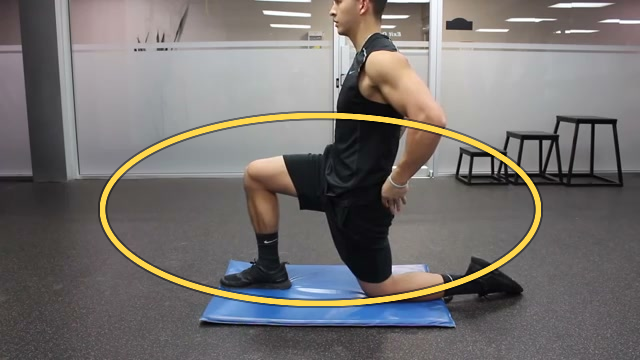
- Set up: Get into a half-kneeling lunge position on a mat.
- Do: Contract abdominals, tuck your pelvis, and lean slightly forward to stretch. Aim for 30 sec.
- Watch for: Keep the movement controlled and stop if it creates sharp discomfort.
3. Supine brace marches
This move finishes the routine by turning the earlier preparation into a more deliberate action. Stay focused on steady core tension instead of rushing through the final reps.
Engage your core by pressing your back flat against the mat and march your legs alternatingly. Focus on steady core tension, comfortable range, and a pace you can repeat without bracing.
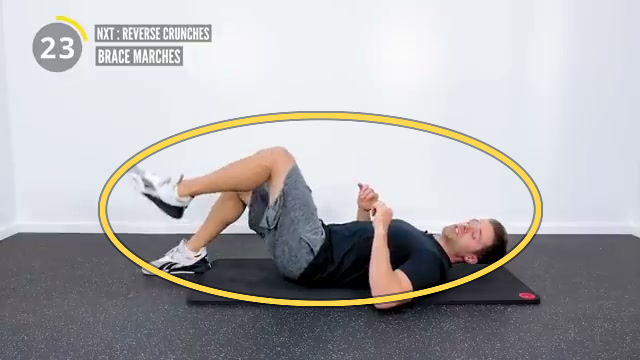
- Set up: Engage your core by pressing your back flat against the mat and march your legs alternatingly.
- Do: Engage your core by pressing your back flat against the mat and march your legs alternatingly. Aim for 30 sec.
- Watch for: Keep the movement controlled and stop if it creates sharp discomfort.
Why save this routine
Save this routine when you want a clear sequence instead of picking random exercises one by one. The order is short enough to repeat, and each movement has a specific role in the routine.
Stop criteria
Stop if pain increases, if the sensation becomes sharp, or if numbness, tingling, dizziness, headache, or unusual discomfort appears. Keep the range smaller the next time, or skip the movement that does not feel right.
Who this routine is for
- People looking for posterior pelvic tilt
- Beginners who want a short lower back, hips, core routine
- Anyone who wants a routine they can save and repeat
Frequently asked questions
What is a short routine for posterior pelvic tilt?
A 3-minute routine for posterior pelvic tilt that moves from Pelvic Tilt to Supine brace marches. Key movements include Pelvic Tilt, Lunge Hip Flexor Stretch, Supine brace marches. It takes about 3 minutes. Stop and check your body first if you feel pain or discomfort.
How do I start posterior pelvic tilt safely?
A 3-minute routine for posterior pelvic tilt that moves from Pelvic Tilt to Supine brace marches. Key movements include Pelvic Tilt, Lunge Hip Flexor Stretch, Supine brace marches. It takes about 3 minutes. Stop and check your body first if you feel pain or discomfort.